In short
- hs-CRP measures the level of inflammation in the body — including silent inflammation you cannot feel.
- A raised value is linked to higher cardiovascular risk.
- Target: below 1 mg/L; 1–3 moderate, above 3 raised.
- You lower it with weight, exercise, an anti-inflammatory diet and sleep.
- A value above 10 often means an acute infection — repeat after recovery.
hs-CRP (high-sensitivity C-reactive protein) is one of the most useful indicators of “silent” inflammation. This is a chronic process that runs in the background. It speeds up vessel ageing and raises cardiovascular risk.
What hs-CRP measures
CRP is a protein the liver releases during inflammation. The “high-sensitivity” version (hs-CRP) also detects low levels of inflammation that are linked to cardiovascular risk. In an acute infection, CRP shoots up. In prevention we are interested in the mild rise that harms the vessels in the long run.
What your values mean
| hs-CRP (mg/L) | Meaning |
|---|---|
| below 1.0 | low cardiovascular risk |
| 1.0–3.0 | moderate risk |
| above 3.0 | raised risk (chronic inflammation) |
| above 10 | probably an acute infection/inflammation — repeat |
Source: AHA/CDC scientific statement on inflammation markers and cardiovascular risk (Pearson et al., 2003).
How to lower inflammation naturally
1) An anti-inflammatory diet
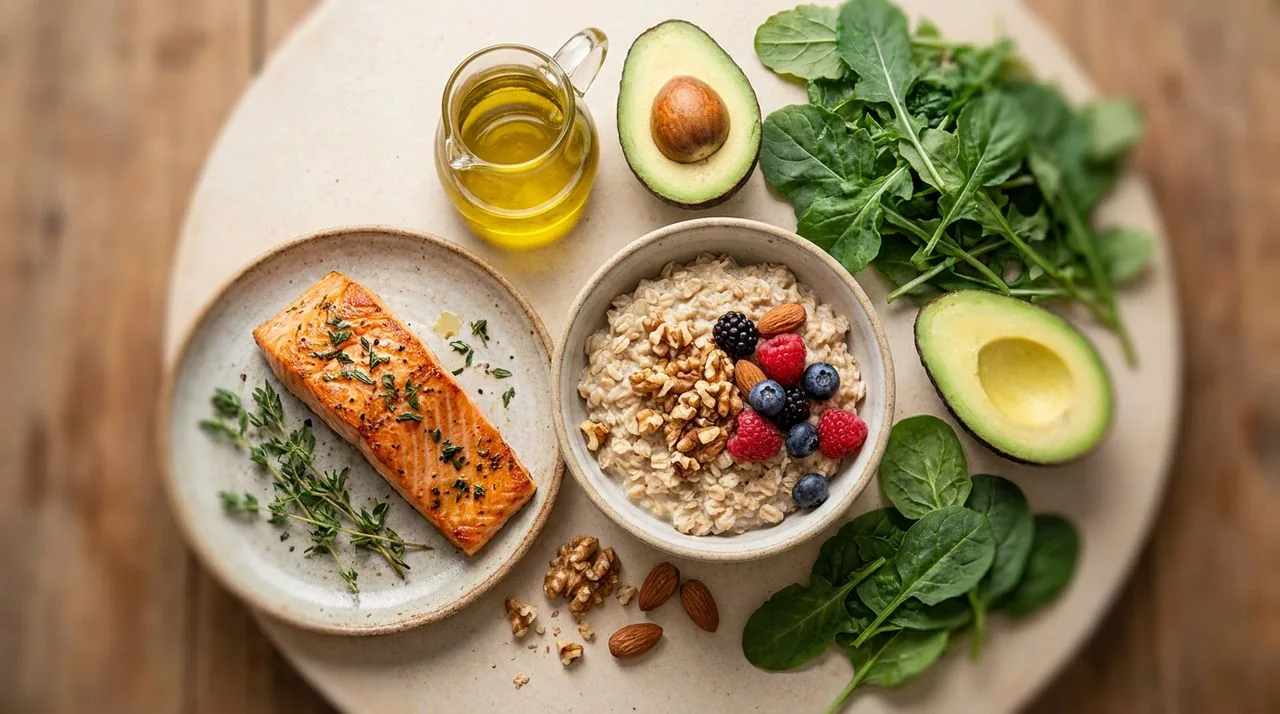
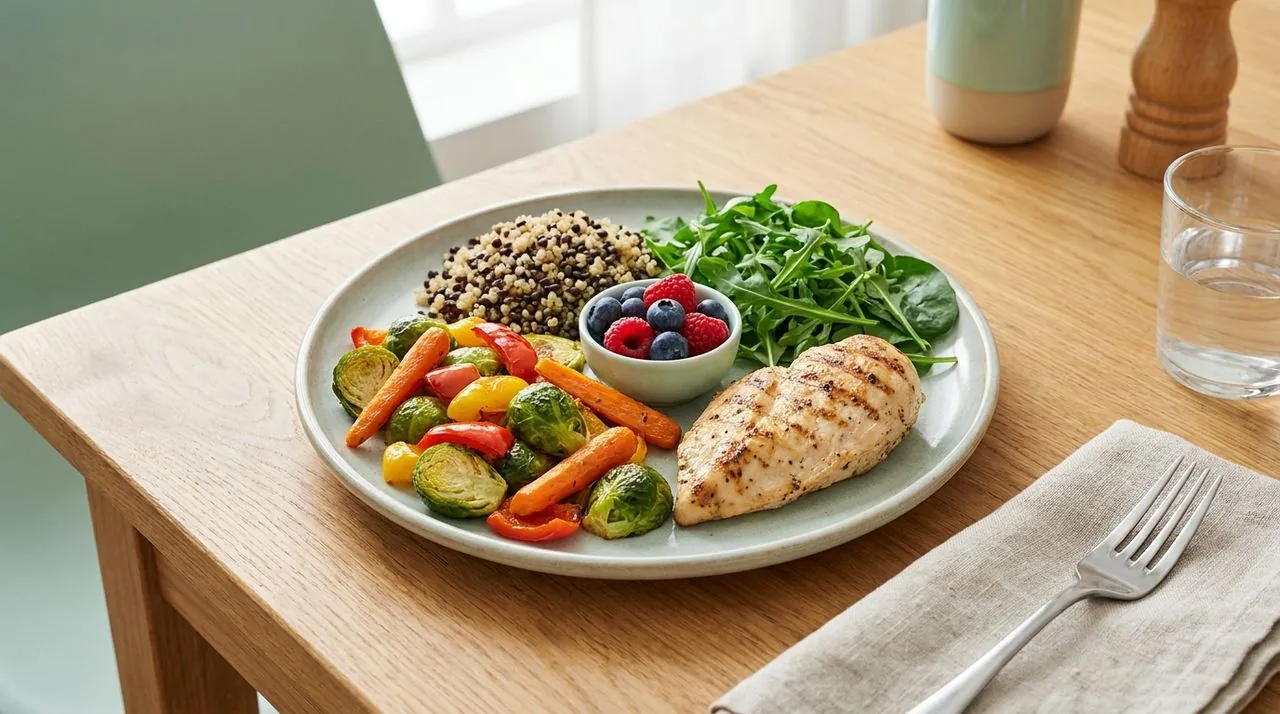
More vegetables, berries, oily fish (omega-3), nuts, olive oil; less processed food, sugar and trans fats.
2) Exercise and a healthy weight
Excess fat (especially around the belly) is a source of inflammation. Regular exercise and losing excess weight often lower hs-CRP noticeably.
3) Sleep and not smoking
Poor sleep and smoking raise inflammation. Good-quality sleep and quitting smoking are among the strongest levers.
A realistic target: hs-CRP below 1 mg/L. A lifestyle change shows within a few months. Measure when you do not have an acute infection.
How Blood Lab 360 helps with this
We put hs-CRP in the context of your lipids and blood sugar. We explain the risk and prepare an anti-inflammatory plan. We also track your progress over time.
Frequently asked questions
What does raised hs-CRP mean?
Above 3 mg/L points to increased inflammation and higher cardiovascular risk. Above 10 often means an acute infection or inflammation.
What is the optimal value?
Below 1 mg/L for low risk, 1–3 moderate, above 3 raised.
How do I lower hs-CRP?
By losing excess weight, exercising, eating an anti-inflammatory diet, sleeping well and not smoking.