In short
- High neutrophils (above 7.5 × 10⁹/L, or 7,500/µL) most often mean a bacterial infection, inflammation, stress, smoking or corticosteroid medicines.
- Low neutrophils (below 1.5 × 10⁹/L, or 1,500/µL) most often follow a viral infection or a medicine. Some healthy people always run low.
- Read the absolute neutrophil count (ANC), not the percentage. A percentage can look abnormal while the count is fine.
- Low neutrophils are graded as mild (1.0–1.5), moderate (0.5–1.0) or severe (below 0.5 × 10⁹/L).
- Markedly low neutrophils with a fever are an emergency. Seek urgent care the same day.
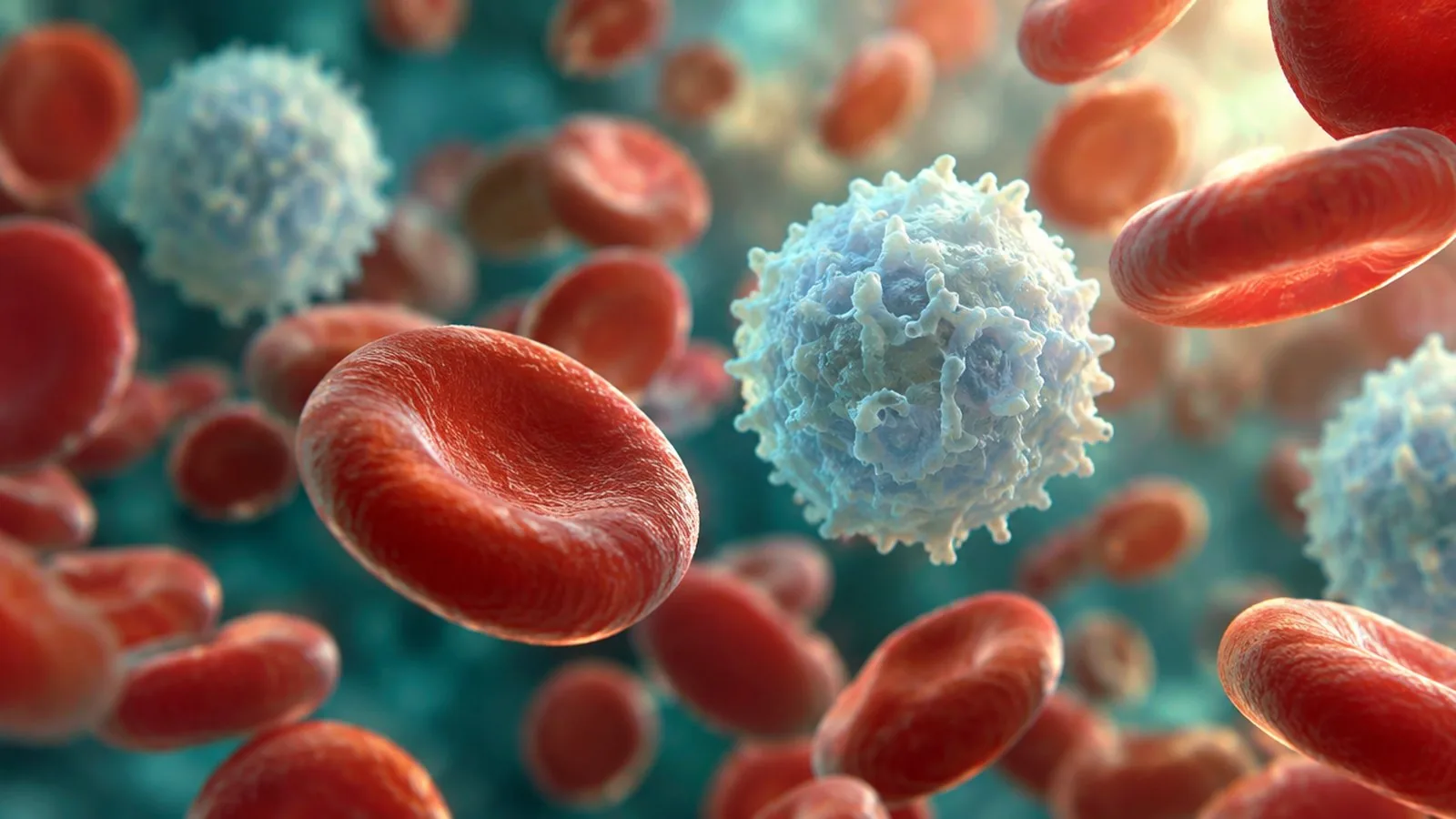
Neutrophils are the most common white blood cell and your first defense against bacteria. This guide explains what high or low neutrophils on a blood test mean and why the absolute count matters most. It also covers what high neutrophils with low lymphocytes tell you, and which results need a doctor quickly.
What is the normal neutrophil range?
For adults, Blood Lab 360 reads an absolute neutrophil count of 1.5 to 7.5 × 10⁹/L as within range, which is 1,500 to 7,500 cells per microliter. As a share of all white cells, 40–75% is within range. Many reports list both numbers side by side.
| Band | Absolute count (ANC) | Percentage of white cells | How we read it |
|---|---|---|---|
| Low | Below 1.5 × 10⁹/L (below 1,500/µL) | Below 40% | A low count needs advice. A low percentage alone is only borderline. |
| Within range | 1.5–7.5 × 10⁹/L (1,500–7,500/µL) | 40–75% | Within the reference range. |
| High | Above 7.5 × 10⁹/L (above 7,500/µL) | Above 75% | Possible infection or inflammation. Read in context. |
Source: common laboratory reference intervals, as stored in our knowledge base. Labs use different methods and ranges. StatPearls lists 1,500–8,000/µL for adults and defines neutrophilia as an ANC above about 7,700/µL, so check the range printed on your own report.
Why does the absolute neutrophil count matter more than the percentage?
The absolute count tells you how many neutrophils are circulating, while the percentage only tells you their share of all white cells. A share shifts whenever another cell type rises or falls. You can calculate the count yourself: total WBC × neutrophil percentage ÷ 100.
- WBC 5.0 × 10⁹/L with 80% neutrophils gives an ANC of 4.0 × 10⁹/L. The percentage is flagged, but the count is normal.
- WBC 3.0 × 10⁹/L with 45% neutrophils gives an ANC of 1.35 × 10⁹/L. The percentage looks normal, but the count is low.
That is why the absolute neutrophil count carries the weight, and the neutrophil percentage is only a supplement. On US reports the count may be called ANC, absolute neutrophils or neutrophils #, in K/µL.
What does high neutrophils mean?
High neutrophils (neutrophilia) usually mean a reactive response, and infection or inflammation is the most common cause. StatPearls lists these secondary causes:
- Bacterial infection and other acute infections.
- Inflammation, such as chronic inflammatory disease, vasculitis or an acute gout attack.
- Trauma, surgery, tissue damage or blood loss.
- Physical or emotional stress and vigorous exercise.
- Smoking, obesity and pregnancy.
- Corticosteroids, which release neutrophils from the bone marrow into the blood.
- Living without a spleen (asplenia).
Less often, the bone marrow itself makes too many cells. This is called primary neutrophilia, for example in myeloproliferative neoplasms such as chronic myeloid leukemia. Clues are blasts on the blood film, an enlarged spleen, or a count that keeps rising without any trigger.
What does a high absolute neutrophil count mean in practice?
A mildly high ANC with a clear trigger is common and usually settles once the trigger is gone. A count just above 7.5 × 10⁹/L during a sore throat, after a hard workout, or on steroid tablets is expected. Your lab may add a comment such as left shift or band forms. StatPearls links these, together with toxic granulation, to bacterial infection.
What needs attention is a count that stays high on repeat tests with no infection, smoking or medicine to explain it. Our knowledge base flags a persistently high count without infection as a reason for a doctor's review.
What does low neutrophils mean?
Low neutrophils (neutropenia) mean fewer first-line defenders, and the risk of bacterial infection rises as the count falls. StatPearls grades neutropenia by the absolute count.
| Grade | ANC (× 10⁹/L) | US units |
|---|---|---|
| Mild | 1.0–1.5 | 1,000–1,500/µL |
| Moderate | 0.5–1.0 | 500–1,000/µL |
| Severe | Below 0.5 | Below 500/µL |
| Agranulocytosis | Below 0.2 | Below 200/µL |
Source: StatPearls, Neutropenia, 2023. Common causes include:
- Viral infections, and some severe bacterial infections.
- Medicines, such as some antibiotics, clozapine and chemotherapy.
- Nutrient deficiency: vitamin B12, folate or copper. Our vitamin B12 and folate article explains how to check.
- Autoimmune disease and an enlarged, overactive spleen.
- Inherited patterns, including cyclic neutropenia.
- Bone marrow failure, which is less common.
Some people have a lifelong mildly low count with no extra infections. The best-known form is Duffy-null neutropenia. It is common in people of African, Arabic, Yemenite Jewish and West Caribbean descent. In US data, low neutrophils were found in 4.5% of Black participants, against 0.79% of White and 0.38% of Mexican-American participants (StatPearls).
What does high neutrophils and low lymphocytes mean?
High neutrophils with low lymphocytes is the typical stress pattern of the immune system: an acute bacterial infection, inflammation, physical stress or corticosteroids. The two cell types move in opposite directions, so the percentages swing strongly. Always check both absolute counts.
You may see this written as the neutrophil-to-lymphocyte ratio (NLR). Our sources do not give a validated cut-off for everyday reports, so Blood Lab 360 does not score it. We read the two absolute counts and hs-CRP instead.
| Pattern | Most likely explanation | Sensible next step |
|---|---|---|
| ANC above 7.5, lymphocytes low, hs-CRP above 3 mg/L. | Bacterial infection or active inflammation. | Deal with the cause, then repeat when well. |
| ANC above 7.5, lymphocytes low, hs-CRP normal. | Steroids, recent hard exercise, acute stress or smoking. | Note medicines and timing, then repeat. |
| ANC below 1.5, lymphocyte percentage high, WBC low. | Often a recent viral infection. | Repeat about 4 weeks after recovery. |
| ANC low with high MCV or low hemoglobin. | Possible B12 or folate deficiency. | Ask for B12 and folate tests. |
| ANC low with low platelets or low hemoglobin. | More than one blood cell line is affected. | See a doctor soon. |
| ANC 1.0–1.5, stable on repeats, no extra infections. | Often a constitutional low count. | Keep a copy of your results as your baseline. |
The total count is explained in our article on high or low white blood cells, and the lymphocyte side in high or low lymphocytes. For all five cell types, see the white cell differential guide.
When should you repeat a neutrophil test?
If neutrophils are only mildly outside the range and you feel well, repeat the blood count about 4 weeks after any infection has cleared. Testing during or right after an illness mostly shows the illness. For a stable result, our knowledge base suggests a routine re-test after 12 weeks. Why one flag is often noise is covered in values outside the reference range.
Seek urgent care the same day if your neutrophils are markedly low and you have a fever or chills, or feel very unwell. A severe neutropenia below 0.5 × 10⁹/L carries a high risk of serious infection. Also see a doctor soon if neutrophils are low together with low hemoglobin or platelets, or if the report mentions blasts. Other reasons are frequent infections, or high neutrophils that persist without infection. Night sweats, weight loss or an enlarged spleen also need a doctor.
How Blood Lab 360 reads this
The app reads your absolute neutrophil count first and uses the percentage only as a supplement. It shows the band from the table above and says that the range is a common laboratory interval that varies between labs. The neutrophil band is the same for adult men and women in our knowledge base.
It never reads neutrophils alone. It checks total WBC, absolute lymphocytes and hs-CRP next to them, and notes when the pattern points to infection, stress or a possible deficiency. It cannot know your ancestry, so it cannot tell a Duffy-null low count from other causes. A stable, mildly low count therefore needs a doctor's judgment. The app suggests a repeat about 4 weeks after an infection and a routine re-test after 12 weeks. It does not diagnose.
Frequently asked questions
What is the normal neutrophil range?
We read 1.5–7.5 × 10⁹/L (1,500–7,500/µL) as within range, and 40–75% as a share of white cells. Ranges differ between labs; StatPearls gives 1,500–8,000/µL.
What causes neutrophils to be high?
Most often a bacterial infection or inflammation. Stress, hard exercise, smoking, obesity, pregnancy and corticosteroids are other common causes. A marrow disease is less common and usually shows other signs.
Is a neutrophil count of 1.4 dangerous?
It is mild neutropenia. On its own, with no fever and no frequent infections, it is usually a reason to repeat the test and look for a cause. With a fever, seek care the same day.
What does high neutrophils and low lymphocytes mean?
It is the typical pattern of acute stress on the immune system. The usual triggers are a bacterial infection, inflammation, physical stress or corticosteroids. Read both absolute counts and hs-CRP.
Why is my neutrophil percentage high but my absolute count normal?
Because the percentage depends on the other white cells. If lymphocytes are low, the neutrophil share rises even when the count is fine. The absolute count is what matters.
Can stress cause high neutrophils?
Yes. Physical or emotional stress and vigorous exercise can raise neutrophils without any infection. Repeat the test on a calm day if nothing else explains the result.